WATER DAMAGE
There are several ways water damage can occur, including severe rains, bursting pipes, sewage backups and even the aftermath of water used to extinguish a fire. When a water loss occurs, it is crucial that the mitigation process begins immediately to alleviate the possibility of further damage caused by the water and to reduce the threat of mold. We quickly remove any harmful substances, raw sewage, and other contaminants. We then immediately begin saving and restoring all salvageable personal contents. At this point, the remainder of the mitigation process begins with a site evaluation by a team of IICRC certified technicians and project managers. We utilize top of the line, modern equipment such as moisture meters and thermal imaging cameras to help determine the severity of the loss and determine the best course of action to take. Once a course of action is agreed upon, the mitigation will continue and may include demolition of unsalvageable materials that cannot be dried such as contaminated drywall and wet insulation.
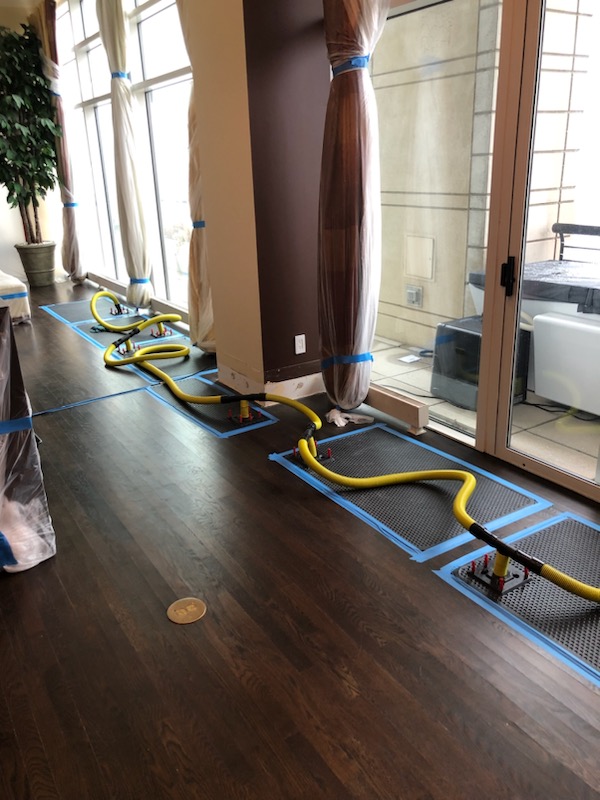
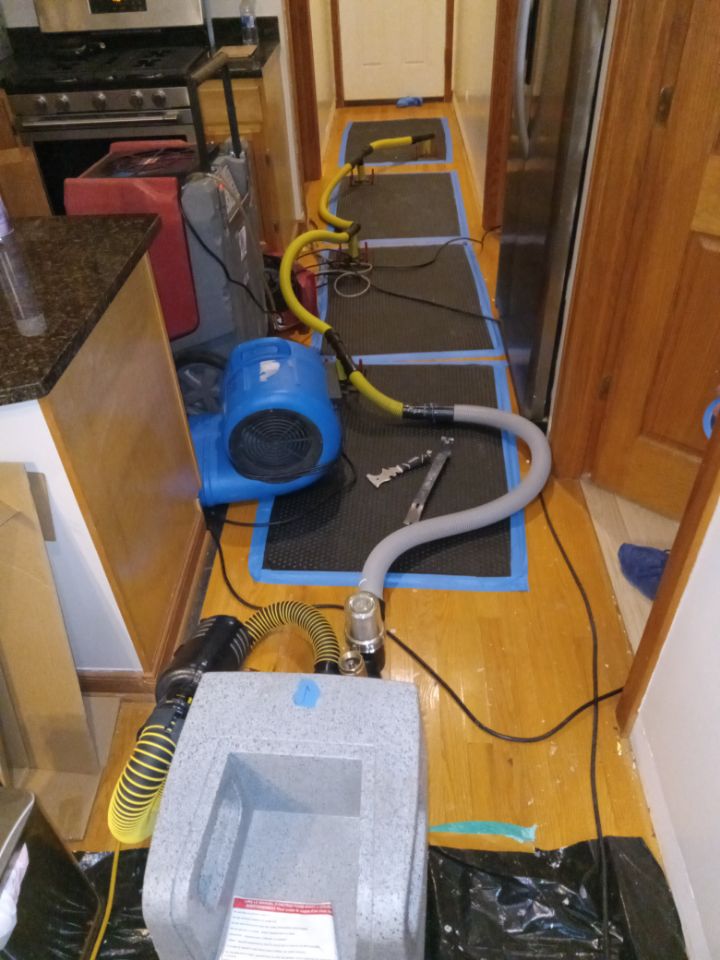
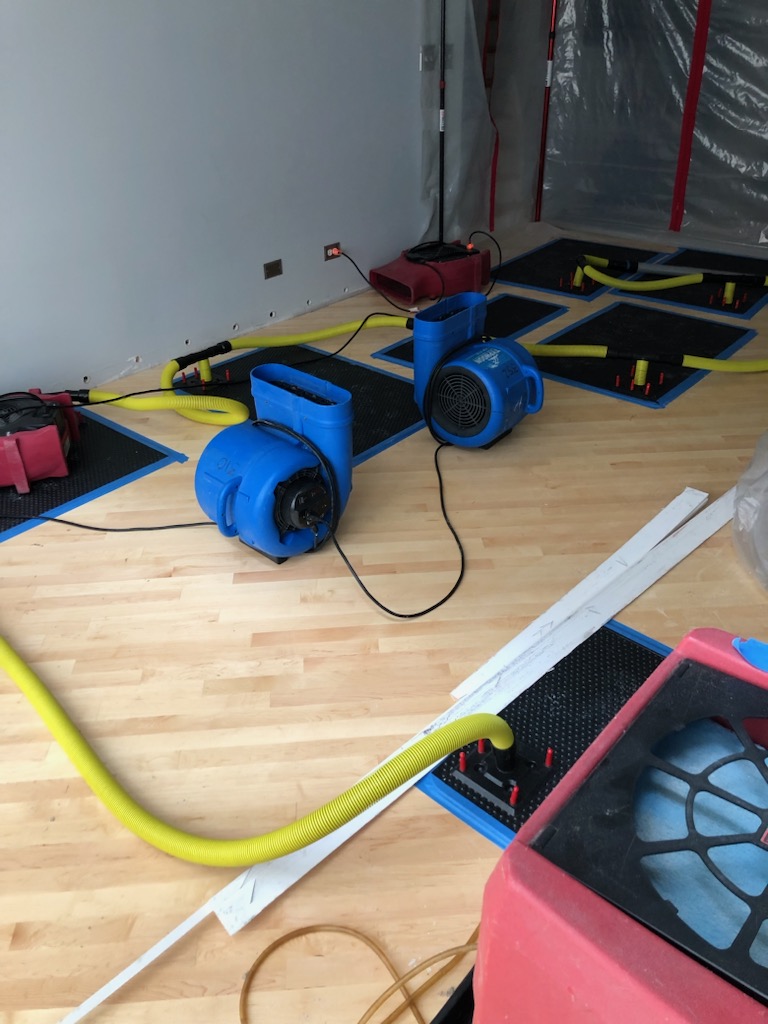
While the demolition may be happening, the latest drying equipment is being installed such as high-velocity air movers, low-grain refrigerant dehumidifiers, and hardwood floor drying rescue mats among others. During the mitigation process we will clean and sanitize all surfaces in the affected areas with heavy duty cleaning agents, as well as antimicrobials to disinfect and prevent mold growth.
As a part of the claims process, we will meet with the insurance adjuster and determine any other emergency measures that may need to be taken to ensure all the necessary drying and disinfecting have been completed to prevent further damages. One of our project managers will do a sketch of the affected areas for input into our same estimating software used by insurance companies and will generate a line by line detailed scope of the work that was completed in those areas.
Our protocol is designed to return the property back to its pre-loss condition, make the property safe, and to minimize the loss of use to the greatest degree possible.
 foxvalleyfwr.com